
Should You Paint the Walls and Trim the Same Color?
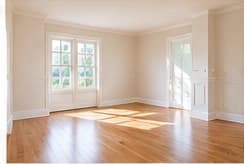
Yes, walls and trim can be painted the same color. But “same color” doesn’t necessarily mean the entire room gets the exact same paint. Walls, baseboards, window casing and doors may need different finishes even when the color matches.
Updated:
Why This Decision Matters Before the Estimate
Matching or contrasting trim changes more than the look of the room. It affects how trim reads against the walls, which sheens make sense on which surfaces, how much preparation those surfaces need, which millwork is included, and how the painting estimate is written.
There is no single right answer for every house. Decide what you want painted — and in which colors — before the price is treated as final.
If you are still deciding on the wall color itself, start with how to choose an interior paint color in the actual room before deciding whether the trim should match it.
Color Is Not the Same Thing as Paint
A homeowner can choose the same color for walls and trim while using different paint products or sheens. Walls often take a lower-sheen wall finish. Trim and doors often take a more durable finish suited to woodwork that gets touched, cleaned and bumped.
“Same color” does not automatically mean the same can of paint on every surface. The color can match while the product and sheen still suit how each surface is used.
What Same-Color Walls and Trim Can Look Like
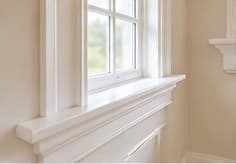
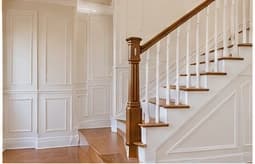
Same-color treatment can reduce the contrast between walls, baseboards, door casing, window casing, crown molding and other painted millwork. The lines of the architecture stay there — they just read less separately from the wall.
Contrasting trim does the opposite. A second color makes those same lines more obvious. Neither approach is automatically better; they simply change how strongly the woodwork separates from the wall plane.
Three Common Approaches
Most residential projects land in one of these three patterns — sometimes with room-by-room variations.
- Contrasting trim
- Walls one color, trim another. Baseboards, casings and crown stay clearly outlined against the wall. That contrast draws the eye along the architectural lines.
- Same color, different sheen
- Walls and trim share the color, but each surface gets a finish suited to how it is used. Light still hits a flatter wall finish and a more durable trim finish differently, so woodwork can remain visible without a second color.
- Same color, similar finish
- Walls and woodwork share both color and a closer finish. Contrast drops further. Whether that works depends on the products, the condition of the surfaces and how much wear those areas take.
Doors Are a Separate Decision
Matching walls and trim does not automatically decide the doors. Some projects keep doors with the trim color. Others paint doors differently from both the walls and the casing. Closet doors may follow the room doors or be left out of the work entirely.
Door faces, edges, frames and casing need to be named clearly in the estimate. More on what that work usually includes is under interior trim painting.
Does the Ceiling Have to Match Too?
No. Choosing the same color for walls and trim does not automatically determine the ceiling color. Ceilings remain a separate work and color decision — included, left alone, or painted a different color from the walls.
Decide whether ceilings are included before the estimate is treated as complete. See ceiling painting.
Existing Trim Condition Matters
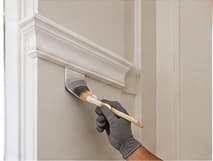
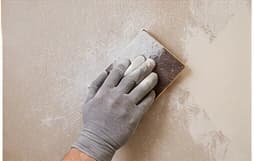
Trim work is never only color. Previous coatings, chips, dents, caulk gaps, nail holes, rough areas and peeling or flaking where present all affect preparation. Surfaces still need cleaning, and sanding or filling as needed, before finish coats go on.
If trim is already painted in a contrasting color, changing it to the wall color may need additional coverage depending on the colors and products involved. That is part of why preparation should be discussed before the schedule is locked. More under interior painting preparation.
Dark-to-Light and Light-to-Dark Changes
A substantial color change — darker trim to a lighter wall color, or the reverse — can affect primer decisions, coverage, the number of finish coats and labor. The amount of extra work depends on the existing color, the new color, the products used and the condition of the woodwork.
There is no universal coat count that fits every job. Ask what the estimate assumes when the color change is large.
What to Decide Before Getting an Estimate
Decide these points before you compare painting estimates or request an estimate. Clearer decisions usually mean clearer numbers.
- Which rooms are being painted?
- Walls only, or walls and trim?
- Baseboards?
- Door casing?
- Window casing?
- Crown molding?
- Interior doors?
- Closet doors?
- Ceiling?
- Same color or contrasting trim?
- Have colors been selected?
- Any visible repair or preparation issues?
Planning an Interior Painting Project?
If you know which rooms and surfaces you want painted — and whether trim should match or contrast — we can talk through preparation and what to include.